1915
Carmen Herrera is born on May 30, 1915, in Havana, Cuba, to journalist Carmela Nieto and editor Antonio Herrera, both active in Havana’s intellectual community. Her father was a Cuban war veteran and editor of El Mundo, while her mother was a writer, feminist, and philanthropist. Carmen is the youngest of seven siblings raised together from her mother’s two marriages.
1917
On July 16, Antonio, Herrera’s father, dies. As the daughter of a revolutionary fighter, Herrera would receive an annual pension of 750 pesos from the Cuban government for part of her youth.
1920’s
Herrera receives a progressive early education at a Montessori school and Colegio Sepulveda in Havana. She grows up in a culturally rich, liberal Catholic household surrounded by art and intellectual exchange. Her family hosts notable figures like Langston Hughes and owns artworks by Spanish Old Masters and modern Cuban artists.
1925
Gerardo Machado y Morales takes office as Cuba’s president in May, instituting vigorous measures that advance tourism, mining, agriculture, and public works. His first term, which will end in 1928, will be remembered as a period of prosperity.
1925-28
Herrera’s brother Addison, a talented painter, instills in her an appreciation for art. Together they take drawing and painting lessons with Federico Edelmann y Pinto (1869–1931), a language professor and painter who founded the Asociación de Pintores y Escultores de Cuba and established the annual Salon de Bellas Artes in 1916. Herrera also takes harp lessons.
1937
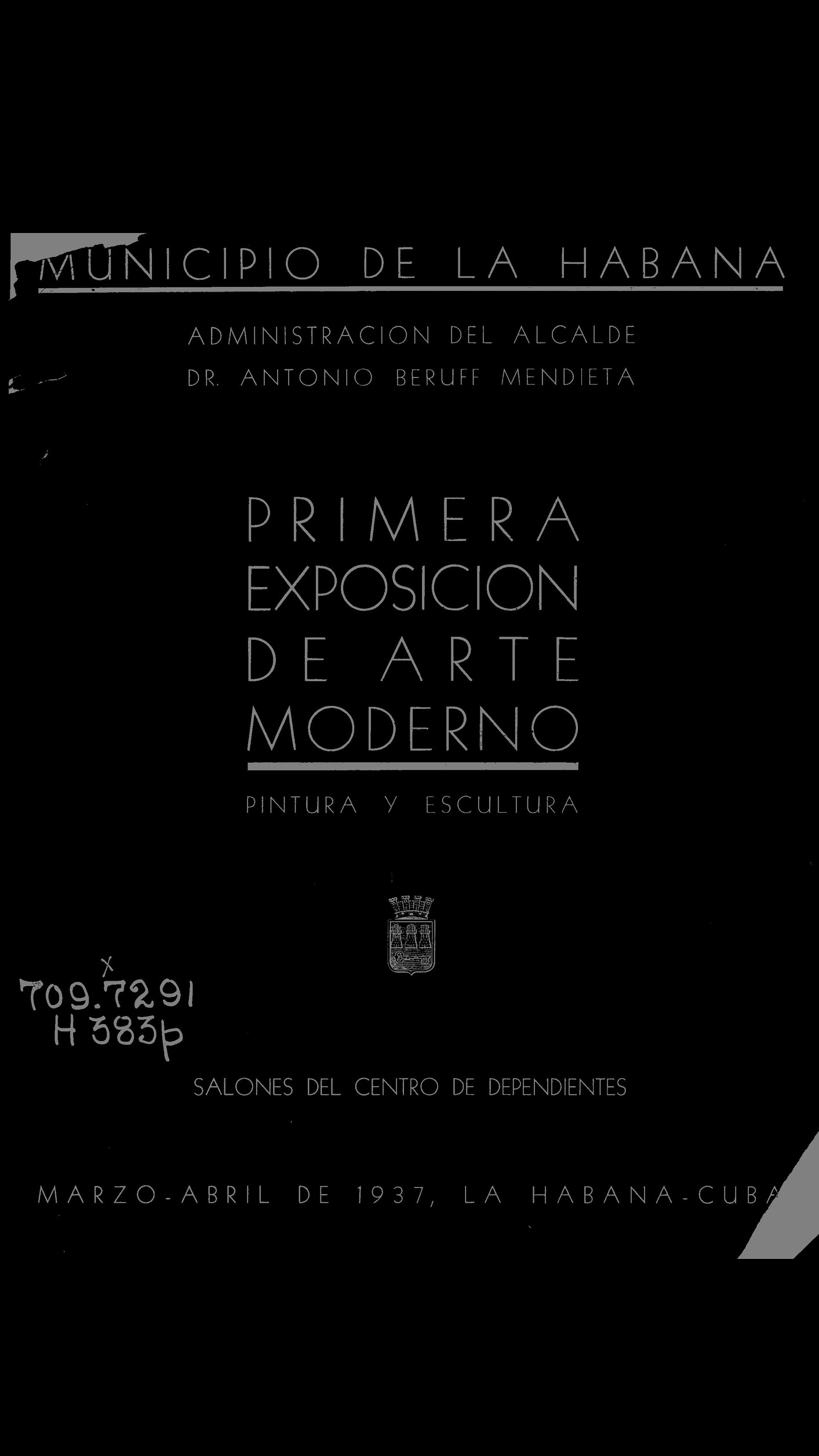
Carmen Herrera plays a key role in organizing Cuba’s first outdoor art exhibition in Havana, where she exhibits the anti-fascist sculpture Cristo. She continues to gain visibility by participating in major modern art shows, including the Primera Exposición de Arte Moderno and Exposición de Escultura en Madera. Around this time, she begins a long-distance courtship with Jesse Loewenthal, sharing a deep bond through art and culture despite his return to New York.